
This bed bug identification and treatment guide covers everything you need to know about bed bugs in BC. They are small, cryptic, extremely resilient, and spread rapidly — especially in multi-unit buildings — which is why one of the most stressful pest problems a BC homeowner can face is knowing how to identify them, how infestations start, what treatment actually works, and how to prevent them coming back.
What Are Bed Bugs?
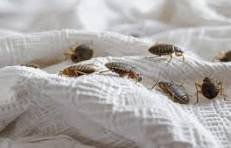
Bed bugs (Cimex lectularius) are small, blood-feeding parasitic insects. Adults are 4–5mm long, flat, oval-shaped, and reddish-brown — roughly the size and shape of an apple seed. After feeding they become rounder and darker. Nymphs, the immature stage, are much smaller and nearly colourless until they feed.
They feed exclusively on blood — preferably human. They are nocturnal and most active in the 1–2 hours before dawn. During the day they hide in tight crevices close to their host: mattress seams, bed frame joints, behind headboards, inside electrical outlets, and along skirting boards.
Signs of Bed Bugs
Early bed bug identification and treatment prevents a small problem from becoming a costly infestation. Knowing these warning signs allows you to confirm an infestation early — when treatment is faster, cheaper, and more effective:
- Bites: Small, itchy red welts appearing after sleep, typically in lines or clusters on exposed skin. Not everyone reacts to these bites, so absence of bites doesn’t rule them out.
- Blood spots: Rust-coloured spots on sheets or pillowcases from crushed bugs or post-feeding excretion
- Dark droppings: Tiny black-brown dots along mattress seams, in bed frame joints, behind the headboard, and along skirting boards
- Shed skins: Pale, translucent hollow casings left behind as bed bugs grow through five nymph stages
- Live insects: Found in mattress seams, bed frame joints, behind electrical outlet covers, and inside furniture joints
- Sweet musty odour: A distinctive smell produced by a large infestation
Not sure if what you’re seeing is a bed bug or another household pest? See our guide: Carpet Beetle vs Bed Bug: How to Tell the Difference.
How Bed Bug Infestations Start in BC
They don’t appear from nowhere — infestations are always introduced. Common introduction routes in BC include:
- Travel: Hotel stays are the most common introduction route. They hitchhike in luggage, clothing, and personal items.
- Secondhand furniture: Upholstered beds, sofas, and headboards are a major risk. Never bring secondhand mattresses or bed frames indoors without thorough inspection.
- Multi-unit buildings: They spread between apartment units through wall voids, electrical conduits, and pipe chases. A single infested unit can spread to adjacent units within weeks.
- Visitors: Guests dealing with an infestation at home can unknowingly introduce them through their luggage or clothing.
- Used clothing: Secondhand clothing purchased without washing can introduce them.
Bed Bug Lifecycle
Understanding this lifecycle helps explain why infestations are so persistent and why professional follow-up treatment is essential:
- Eggs: Females lay 1–5 eggs per day, up to 500 in a lifetime. Eggs are white, 1mm long, and glued to surfaces near harbourage sites. Eggs hatch in 6–10 days at room temperature.
- Nymphs: Five nymph stages, each requiring a blood meal to moult. Development from egg to adult takes 5–8 weeks under warm conditions.
- Adults: Adults live 6–18 months and can survive over a year without feeding under cool conditions.
These eggs are resistant to most insecticides — which is why a single professional treatment is rarely sufficient and follow-up visits are essential. This is a key reason bed bug identification and treatment should always include a scheduled follow-up.
Bed Bug Identification and Treatment: What Works
Professional Chemical Treatment
Professional chemical treatment uses commercial-grade contact insecticide and residual insecticide dust applied to all known and suspected harbourage sites. This is the most common treatment approach in BC. A follow-up visit 2–3 weeks later is essential to kill newly hatched nymphs from eggs laid before the first treatment. Learn more in our bed bug control guide.
What Doesn’t Work
- Consumer sprays: They have developed resistance to pyrethroids and consumer concentrations are too low to penetrate harbourage sites
- Foggers / bug bombs: Scatter them without penetrating hiding spots — widely considered counterproductive
- Throwing out the mattress: An infestation will have spread throughout the room before you notice it — a new mattress will be infested within days
- Moving to another room: They follow you, spreading the infestation
Bed Bug Prevention in BC
When Travelling
- Inspect hotel mattress seams, headboard, and bed frame before sleeping
- Keep luggage on the luggage rack, not on the floor or bed
- On returning home, unpack outside and wash all clothing on the hottest setting
- Inspect luggage before storing
When Buying Secondhand
- Never buy a secondhand mattress or upholstered bed frame
- Inspect all secondhand furniture thoroughly before purchase
- Wash secondhand clothing on the hottest setting before use
In Multi-Unit Buildings
- Use a bed bug-proof mattress encasement
- Seal gaps around pipes and electrical conduits between units
- Report any suspected activity to building management immediately
Commercial Bed Bug Services
Hotels, motels, short-term rentals, and staff housing face the same bed bug risk as residential properties, but with far more at stake for guest reviews and reputation. Top Line Pest Control offers discreet commercial inspections and treatment, working directly with property managers and landlords to schedule visits around guest occupancy and minimize disruption. We provide ongoing monitoring options for higher-risk properties and custom pricing based on building size and unit count. Call (604) 551-6504 to arrange a confidential commercial assessment.
Bed Bug Treatment Cost in BC
| Treatment Type | Typical Price Range |
|---|---|
| Single room — chemical | $300 – $450 |
| 1-bedroom apartment | $400 – $600 |
| 2–3 bedroom home | $600 – $900 |
For full pricing details see our pest control for bed bugs price guide.
Professional Bed Bug Treatment in BC
Top Line Pest Control provides professional bed bug treatment for homes, apartments, and multi-unit buildings across Surrey, Langley, Coquitlam, Abbotsford, Burnaby, and the wider Lower Mainland. According to Health Canada, professional treatment is the most effective method for eliminating established infestations. Our bed bug identification and treatment process always begins with a thorough inspection to confirm the infestation before any work starts.
📞 Call (604) 551-6504 for a same-day assessment and treatment across BC.
How much does bed bug treatment cost in Surrey, BC?
Professional bed bug treatment in the Surrey area typically ranges from $300 to $900 depending on the size of the space and severity of the infestation. Top Line Pest Control serves Surrey neighbourhoods including Guildford, Newton, Cloverdale, and Fleetwood, along with Langley, Coquitlam, and Abbotsford.
Can bed bugs spread between apartments in Surrey?
Yes. In multi-unit buildings across Surrey — including high-rises in Whalley/City Centre and South Surrey — bed bugs travel through wall voids, electrical conduits, and pipe chases, so a single infested unit can spread to neighbouring suites within weeks.
How do I know if I have bed bugs?
Look for itchy red welts after sleeping, rust-coloured blood spots on sheets, dark droppings along mattress seams, shed skins, and a sweet musty odour in cases of larger infestations.
Does one treatment get rid of bed bugs completely?
No — a single treatment rarely eliminates an infestation because bed bug eggs are resistant to most insecticides. A follow-up visit 2-3 weeks later is essential to kill newly hatched nymphs.