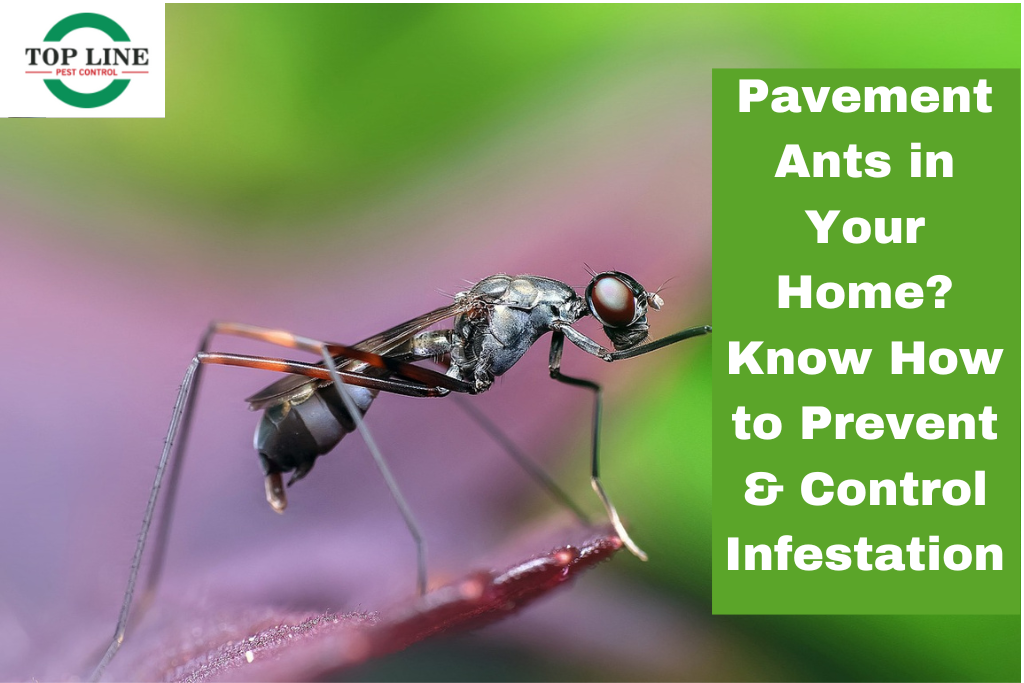
Pavement ants in y
Can Ants Eat Through Concrete?
No, ants cannot eat or chew through solid concrete. Pavement ants use cracks, expansion joints, gaps around pipes and weak mortar that already exist. They then dig out the soil and sand underneath slabs, driveways, patios and foundations. That is why you see small piles of sand along cracks and between pavers.
Over time, this digging can loosen pavers and wash out sand beneath walkways, but the ants are moving soil, not eating concrete. Any crack wide enough for an ant becomes a highway into your home.
Foundation ants: why ants come through the foundation
“Foundation ants” usually means pavement ants nesting in the soil beside or beneath your foundation. They enter through slab cracks, gaps where the floor meets the wall, plumbing penetrations and weep holes, then trail into kitchens and bathrooms looking for food.
our home are one of the most common pest problems in BC. They trail in large numbers across kitchen floors and counters, nest under concrete and foundations, and are notoriously difficult to eliminate with consumer products. This guide covers how to identify, prevent, and control pavement ant infestations in BC homes.Identifying Pavement Ants in Your BC Home
Pavement ants are small (2–3mm), dark brown to black ants with lighter legs. They’re most commonly seen trailing in large numbers along kitchen baseboards and counters, especially in spring and summer. Outside, you’ll often find their characteristic sand mounds pushed up through cracks in driveways and patios — the excavated soil from their underground nesting.
How to Prevent Pavement Ant Infestations
Seal entry points: Caulk cracks in the foundation, around pipe penetrations, and under exterior doors. This is the single most effective long-term prevention measure.
Eliminate food sources: Store food in airtight containers, clean up crumbs and spills immediately, and keep outdoor garbage bins sealed and away from the building.
Reduce moisture: Fix leaking pipes and ensure proper drainage away from the foundation. Moist soil near the building creates ideal pavement ant nesting conditions.
Remove harborage: Keep firewood, stones, and bricks away from the foundation. These create shelter for pavement ant colonies right at your building perimeter.
How to Control Pavement Ants
Gel bait (most effective): Slow-acting gel bait placed along active ant trails allows workers to carry it back to the colony, poisoning the queen within 7-14 days. This achieves full colony elimination rather than just killing foraging workers. Do not spray insecticide alongside bait — it repels ants from the stations.
Perimeter treatment: Residual insecticide applied along the foundation by a licensed technician kills foraging workers and prevents new ones from entering.
Why DIY Pavement Ant Control Often Fails
Consumer sprays kill ants on contact but have no effect on the queen underground. The colony simply produces replacement workers. Many BC homeowners spray repeatedly for months with no lasting result. Professional treatment targets the colony at the source.
Top Line Pest Control provides professional pavement ant and carpenter ant control across BC. Learn about ant control in BC or contact us today for a free assessment.
How to Get Rid of Pavement Ants: Step by Step
- Follow the trail back to the crack or gap where ants are coming in.
- Use slow-acting ant baits near the trail instead of sprays, so workers carry bait back to the queen.
- Clean up food sources: crumbs, grease, pet food and sweet spills.
- Seal cracks in slabs and foundations with concrete caulk once activity drops.
- Treat outside: nests along driveways, patios and foundations need perimeter treatment to stop new ants coming in.
If ants keep returning after a few weeks of baiting, the colony is likely large or has several nests. Professional treatment targets every nest at once.
Pavement Ant FAQs
Can ants damage concrete?
Not directly. They can undermine pavers and walkways by removing sand and soil, and they widen existing gaps in loose mortar.
Are pavement ants dangerous?
No. They can bite or sting weakly but are mainly a nuisance that contaminates food.
When are pavement ants most active in BC?
From spring through late summer, with winged swarms often seen in June and July. In heated homes they can stay active indoors all year.
Pest Control in Surrey, Langley and Abbotsford
Ants coming through your floors or foundation? Top Line Pest Control serves Surrey, Langley, Abbotsford and the Lower Mainland. Call 604-551-6504 or get a free quote today.