Bed bugs rarely arrive because a home is dirty — they hitchhike in on luggage, secondhand furniture, and even library books, which is why any BC household can end up with an infestation regardless of how tidy it is. Because they hide during daylight hours, most people don’t realize they have a problem until the population has already grown. This guide walks through the clearest signs of bed bugs to check for, why they’re easy to miss at first, and what to do the moment you spot one.
The clearest early signs of a bed bug infestation are itchy bite marks in a line or cluster on skin exposed while sleeping, small rust-brown blood spots on sheets, and tiny dark specks along mattress seams. Because bed bugs hide during the day, these marks usually appear before you ever see a live bug.
Table of Contents
Signs of bed bugs
- 1. Itchy Bites in a Line or Cluster
- 2. Small Blood Spots on Sheets
- 3. Dark Specks Along Mattress Seams
- 4. Shed Skins and Eggs
- 5. A Musty, Sweet Odor
- 6. Visible Bugs in Seams and Cracks
- Why Early Detection Matters
- How Bed Bugs Spread Between Rooms and Buildings
- What to Do If You Notice Signs of Bed Bugs
1. Itchy Bites in a Line or Cluster
Waking up with new, itchy welts that weren’t there the night before is usually the first clue something’s wrong. Bed bug bites tend to appear in a row or tight cluster on skin that was exposed while you slept — forearms, shoulders, and calves are common spots. Because the bite itself is painless (bed bugs release a mild numbing agent as they feed), most people don’t notice anything until the itching starts hours later, which makes it easy to blame mosquitoes or a skin reaction instead.
2. Small Blood Spots on Sheets
Bedding often tells the story before your skin does. Look for small rust-brown smears on sheets or pajamas — these come from a bug being crushed in your sleep, or from a bite site that oozed slightly overnight. They’re usually clustered near the pillow or wherever you spend the most time in bed, and unlike a random stain, they tend to reappear in the same general area night after night.
3. Dark Specks Along Mattress Seams
Run a finger along the piping of the mattress and the folds of the box spring — dark, ink-like smudges collected there are bed bug excrement, and they’re one of the more reliable signs since few other household pests leave marks quite like this. They also show up behind headboards, along baseboards, and inside nightstand drawers close to the bed, so it’s worth checking beyond the mattress itself.
4. Shed Skins and Eggs
Bed bugs molt several times before reaching adulthood, and each time they leave behind a brittle, pale husk roughly their own size and shape. These shed casings collect in the same hiding spots as the bugs themselves — mattress seams, bed frame joints, and cracks in furniture near the bed. Look closely and you may also spot the eggs: tiny, off-white, and barely bigger than a grain of salt, usually glued in small clusters rather than scattered loosely.
5. A Musty, Sweet Odor
A heavy infestation gives off a faint, sickly-sweet smell that people often describe as similar to overripe raspberries or damp laundry left too long in the machine. It comes from pheromones the bugs release, and on its own it’s not a reliable indicator since it usually only develops once the population is well established. If you notice this smell alongside any of the other signs on this list, treat it as confirmation rather than the first thing to check for.
6. Visible Bugs in Seams and Cracks
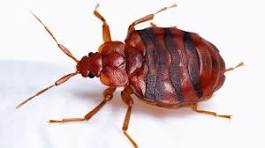
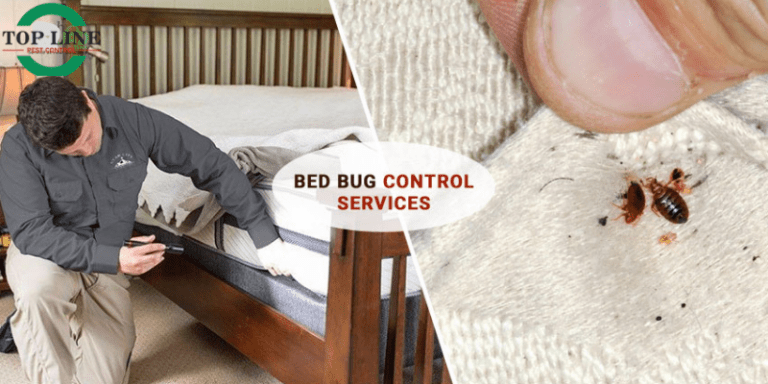
If you’ve worked through the other signs and want direct confirmation, a flashlight inspection at night is the most conclusive step. Adult bed bugs are roughly apple-seed sized, flat, and reddish-brown, though they appear smaller and more translucent at earlier life stages. Check the mattress piping, the underside of the box spring, and any cracks in the bed frame — since bed bugs are active mainly after dark, this is when you’re most likely to catch them out in the open.
Signs of Bed Bugs Beyond the Bedroom
Most signs of bed bugs turn up on a mattress, but these pests aren’t confined to where you sleep. Look for the same signs of bed bugs — dark specks, shed skins, and rust-colored stains — along couch seams, recliner creases, and behind picture frames near any seating area. Apartments and townhomes are especially prone to spreading signs of bed bugs between units through shared walls, wall outlets, and baseboards, so a neighbour’s infestation can quickly become yours.
If you travel often, checking for signs of bed bugs should be part of your routine: inspect hotel mattress seams, headboards, and luggage racks before you unpack, since suitcases are one of the most common ways these pests hitchhike home. Catching signs of bed bugs early, no matter where they show up, keeps a small problem from turning into a full-blown infestation that spreads through your entire home.
Why Early Detection Matters
The longer an infestation goes unnoticed, the more entrenched it becomes — a single fertilized female can lead to hundreds of bed bugs within a few months. Treatment gets more invasive and expensive the further it progresses, and in shared housing, delays give the problem time to travel into neighbouring units before anyone else knows there’s an issue. Health Canada advises against relying on consumer sprays and foggers, since they tend to scatter bugs into new hiding spots rather than eliminating them.
How Bed Bugs Spread Between Rooms and Buildings
Because bed bugs travel by hitchhiking rather than crawling long distances on their own, the most common introduction points are hotel stays, used furniture, and moving boxes from a previous residence. Once inside a multi-unit building, they don’t need to cross a hallway to spread — wall outlets, shared baseboards, and plumbing chases between units give them a direct route next door. Renters should note that under most provincial tenancy rules, landlords are responsible for arranging treatment, so reporting signs early to a property manager is a reasonable first step alongside contacting a pest control provider directly.
What to Do If You Notice Signs of Bed Bugs
- Avoid moving furniture between rooms, which can spread the infestation
- Wash and dry bedding and clothing on high heat
- Vacuum mattress seams, baseboards, and cracks thoroughly
- Contact a licensed bed bug control service for inspection and treatment
Top Line Pest Control provides professional bed bug treatment across Surrey, Langley, Port Coquitlam, Abbotsford, and the Lower Mainland. DIY sprays often miss eggs hidden deep in cracks and fabric, while our targeted treatments are designed to eliminate bed bugs at every life stage. Curious about cost? Check our pest control for bed bugs price guide before you call.
Commercial Bed Bug Services
These same warning signs apply to commercial properties, and the stakes are higher for hotels, motels, short-term rentals, and staff housing, where a single guest review can do lasting damage. Top Line Pest Control offers discreet commercial inspections and treatment, coordinating with property managers and landlords to work around guest occupancy and minimize disruption to operations. Ongoing monitoring is available for higher-risk properties, with custom pricing based on building size and unit count. Call (604) 551-6504 to arrange a confidential commercial assessment.
How Fast Do Signs of Bed Bugs Appear?
Signs of bed bugs typically show up within one to three weeks of an initial introduction, though a single hitchhiking bug can take longer to establish a visible population. Bites often appear before physical evidence like spotting or shed skins, since a female bed bug needs several weeks to lay a meaningful number of eggs. This is why early signs are frequently missed — homeowners assume a few itchy bites are from mosquitoes rather than checking the mattress seams. If you’ve recently returned from travel, purchased used furniture, or had overnight guests (common in Surrey and across the Lower Mainland), it’s worth doing a thorough inspection two to three weeks later even if nothing seems wrong at first.
Get a Free Bed Bug Inspection
Don’t wait for the signs of bed bugs to spread to other rooms. Contact Top Line Pest Control today for a free inspection and quote.