Spotted a fast, silvery, fish-shaped bug darting across your bathroom floor at night? Effective silverfish control starts with knowing what you’re dealing with. Top Line Pest Control provides silverfish control and full pest inspections across Surrey, Langley, Vancouver, Abbotsford, Coquitlam, and Burnaby. Call (604) 551-6504 for same-day service.
What Are Silverfish?
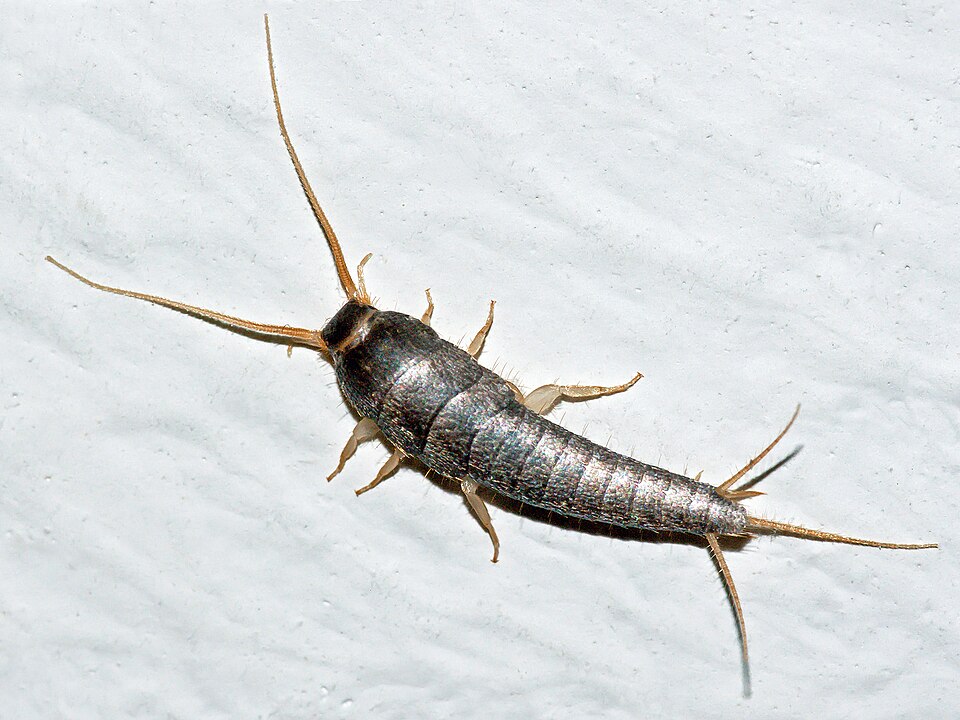
Silverfish (Lepisma saccharinum) are small, wingless insects with a tapered, teardrop-shaped body and three long bristle-like tails. They’re covered in silvery-grey scales and move in a quick, fish-like wriggle, which is how they got their name. They’re nocturnal, shy away from light, and prefer damp, dark spaces like bathrooms, basements, closets, and attics.
7 Signs You Need Silverfish Control
Silverfish are secretive, so most homeowners notice the damage before they see the insect itself. These are the most common warning signs:
- Small, irregular holes or notches chewed into paper, book bindings, or cardboard boxes
- Yellowish stains or tiny pepper-like droppings on shelves and in storage boxes
- Shed, silvery scales left behind near baseboards, sinks, or bathtubs
- Damage to wallpaper glue, book glue, or starched fabrics
- Live silverfish darting for cover when you turn on a bathroom or basement light at night
- A musty, damp smell in closets, crawl spaces, or under sinks
- Small yellow-brown eggs tucked into cracks near baseboards or cardboard
What Causes a Silverfish Infestation
Silverfish thrive wherever humidity is high and food is easy to find. They feed on starches, sugars, and cellulose, which means paper, cardboard, book bindings, wallpaper paste, and even cotton or linen fabrics are all fair game. Leaky pipes, poorly ventilated bathrooms, damp basements, and cluttered storage areas create the exact humid, undisturbed conditions silverfish need to multiply.
Are Silverfish Dangerous?
Silverfish don’t bite, sting, or spread disease, so they aren’t a direct health hazard. However, they can trigger allergies or asthma in sensitive individuals through their shed scales and droppings, and they quietly damage books, photographs, documents, wallpaper, and clothing over time. Left unchecked, a small silverfish problem can spread through an entire storage room or basement.
DIY Silverfish Control Tips
For a minor, early-stage problem, these steps can help with silverfish control before it spreads:
- Run a dehumidifier in basements, bathrooms, and closets to keep humidity below 50%
- Fix leaky pipes, faucets, and poor bathroom ventilation
- Store books, papers, and cardboard in sealed plastic bins instead of open boxes
- Vacuum regularly along baseboards, closets, and under sinks to remove eggs and scales
- Seal cracks around baseboards, pipes, and window frames to cut off hiding spots
- Apply food-grade diatomaceous earth in cracks and crevices where silverfish travel
When to Call a Professional for Silverfish Control
If you’re still seeing silverfish after a few weeks of cleaning and dehumidifying, or if the damage is spreading to more rooms, it’s time for professional silverfish control. Silverfish often nest deep inside wall voids, insulation, and subfloor areas that household treatments can’t reach. This is also worth checking alongside other pest infestation warning signs, since damp, cluttered areas that attract silverfish often attract carpet beetle larvae too.
Professional Silverfish Control With Top Line Pest Control
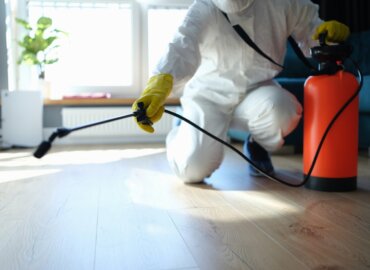
Our technicians identify every entry point and moisture source driving your silverfish problem, then apply targeted treatments in wall voids, crawl spaces, and storage areas for lasting silverfish control, not just a surface spray. We serve Surrey, Langley, Vancouver, Abbotsford, Coquitlam, Burnaby, Port Coquitlam, Port Moody, Maple Ridge, and Pitt Meadows with same-day appointments. Call (604) 551-6504 to book a silverfish inspection.
Learn More About Silverfish
For additional entomology background on silverfish biology and habits, see the National Pesticide Information Center’s silverfish fact sheet.