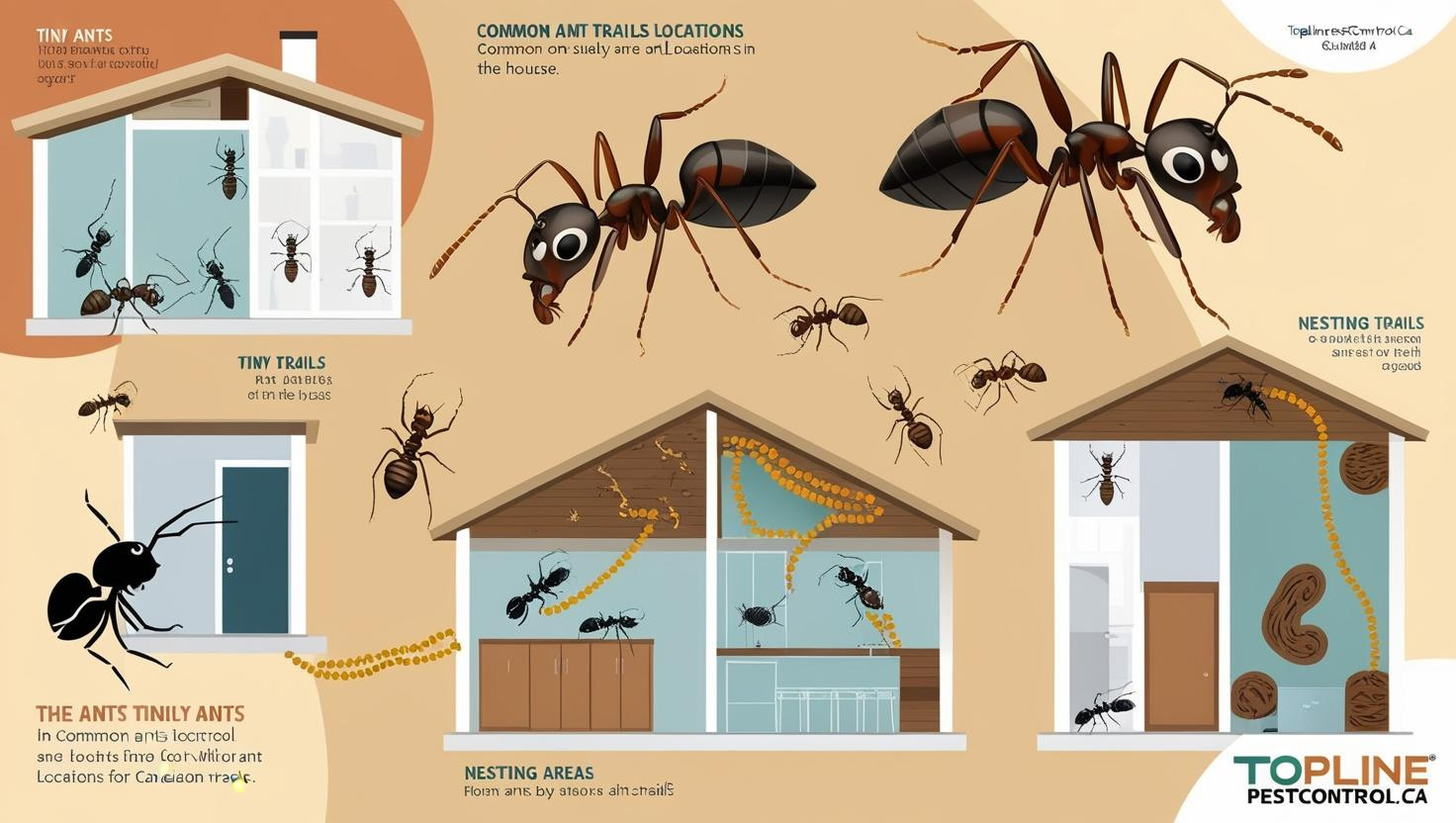
Tiny ants invading your home can be both frustrating and challenging to handle. In BC, species like pavement ants and odorous house ants often find their way indoors in search of food, water, and shelter. This comprehensive guide will help you understand why these tiny invaders are in your house, explore effective elimination methods, and provide tips to prevent future infestations. Furthermore, we will delve into the behaviors and characteristics of these ants, giving you a more in-depth understanding of their habits and how they thrive in your environment.
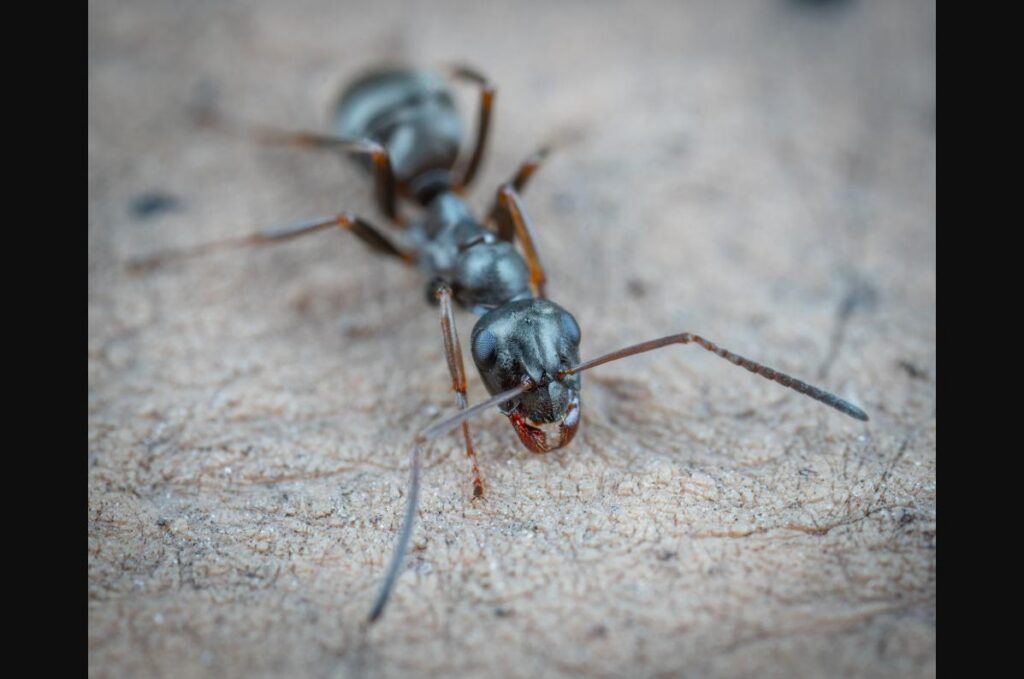
Common Tiny Ant Species in BC Homes
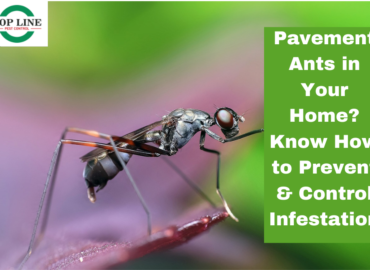
Pavement ants are small (2–3mm), dark brown ants that nest under concrete, patios, and building foundations. They typically enter homes through cracks in flooring and around pipe penetrations. Pavement ant colonies can contain several thousand workers, which is vital to their survival and efficiency in foraging for food. These ants are most active in spring and summer, making them a common sight during warmer months. Their ability to adapt to various environments allows them to thrive both outdoors and indoors, searching for the slightest food source.
Odorous house ants emit a distinctive rotten-coconut smell when crushed. They often trail in large numbers along countertops and floors, seeking sweet foods and moisture. Nests are typically found in wall voids and under flooring, making them particularly hard to detect. Their attraction to sugary substances means that even minor spills can lead to a full infestation if not promptly cleaned. Understanding the nesting habits of these ants helps homeowners to identify potential problem areas in their homes.
Pharaoh ants are very small (1–2mm) and yellow-brown. They pose a significant problem in multi-unit buildings and hospitals as they can spread bacteria and are extremely difficult to eliminate with standard treatments. Their quick reproduction rate and ability to form satellite colonies make them particularly challenging to control. In learning how to manage these ants, it is crucial to understand their biology and behavior, as this knowledge aids in selecting the appropriate treatment options.
Why Tiny Ants Keep Coming Back
Most DIY ant products kill foraging workers but have no effect on the queen or the colony. As long as the queen survives, the colony continues reproducing at an alarming rate, leading to persistent infestations. Ants also lay chemical trails that guide other workers to food sources, which can remain even after you’ve cleaned up the food itself. Treating the trail alone never eliminates the colony. Therefore, understanding the ant life cycle and their foraging behavior is paramount to achieving effective control.
Effective Ant Control for BC Homes
The most effective approach for tiny ant control is slow-acting gel bait that workers carry back to the colony, poisoning the queen and the nest. This method requires patience — typically 7–14 days for full effect — but it is the only option that eliminates the colony rather than just the visible workers. Do not spray insecticide where bait has been placed, as it repels ants and prevents them from feeding on the bait, thereby prolonging the infestation issue. Monitoring the bait stations is essential to determine the level of ant activity and adjust treatment as needed.
For persistent infestations, professional treatment is advisable. Professionals can locate the nest, which may be hidden in inaccessible areas, and address entry points and conditions attracting ants. Read our full guide on ant control in BC or learn about how to get rid of every common ant species. Taking proactive measures by educating oneself on ant behaviors and treatment options can significantly improve the chances of successfully eliminating these pests.
When to Call a Professional Ant Exterminator
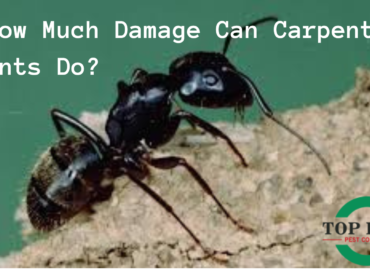
Not every ant problem responds to store-bought bait. Carpenter ants are the biggest exception — unlike pavement or odorous house ants, they tunnel into moist or damaged wood to build satellite nests, and by the time you spot large, dark ants indoors, the colony may already be established somewhere in the structure.
If you’re seeing ants larger than 6mm, finding small piles of sawdust-like debris (frass) near baseboards or window frames, or hearing faint rustling in walls, it’s time to call an ant exterminator rather than reach for another spray. A professional ant exterminator can identify the species correctly, locate hidden nests with specialized inspection tools, and apply targeted treatments that store shelves don’t carry. Top Line Pest Control provides same-day ant exterminator service across Surrey, Langley, Abbotsford, Coquitlam, and the rest of the Lower Mainland, with a guarantee if ants return. Call (604) 551-6504 to book an inspection.
Prevention Tips
Preventing tiny ants from entering your home involves a multi-faceted approach. Start by sealing cracks around windows, doors, and pipe penetrations. Use caulk or other materials suitable for sealing gaps to prevent entry. Store food in airtight containers and wipe down counters and stovetops regularly to remove potential food sources. Fix leaking pipes and reduce moisture under sinks, as ants are attracted to damp areas. Additionally, trim tree branches and shrubs touching the exterior walls, as these act as ant highways into your home. Regularly inspecting your home for signs of ants can also help catch infestations early.
Top Line Pest Control provides professional ant control across BC. Contact us today for a free assessment. Remember, understanding the behavior and biology of tiny ants is key to preventing and controlling infestations effectively. By being proactive and informed, homeowners can significantly reduce the likelihood of experiencing ant problems.
In conclusion, dealing with tiny ants in your home requires a combination of knowledge, prevention, and effective control strategies. By understanding the specific species that invade your space, the reasons behind their persistence, and the best methods for treatment and prevention, you can reclaim your home from these persistent pests. Ensure you take the necessary steps to eliminate not just the visible ants, but their entire colonies, to enjoy a pest-free environment.