
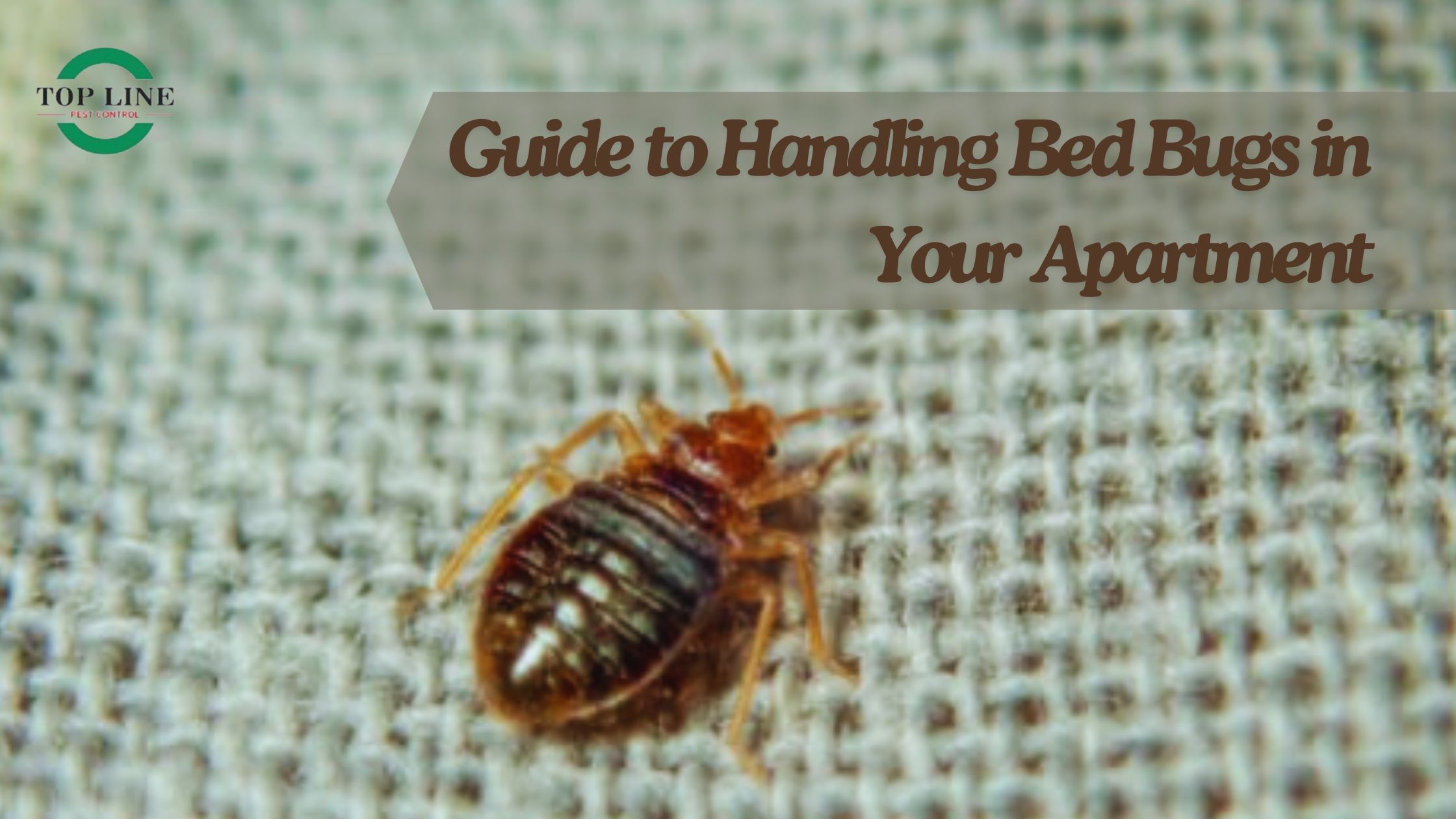
Bed bugs in an apartment present a unique challenge. Unlike a detached home where you can treat one household in isolation, apartments share walls, floors, ceilings, and service voids with neighbouring units. This means bed bugs can spread between units even after a single apartment is treated.
Why Apartment Bed Bug Treatment Is Different
Bed bugs travel through wall voids, electrical conduits, and plumbing chases between apartments. Treating one unit without coordinating with adjacent units often leads to re-infestation within weeks.
Steps for BC Renters
- Notify your landlord in writing immediately
- Document the infestation with photos
- Request professional treatment — not DIY sprays
- Ask about treatment of adjacent units
- Follow all pre-treatment preparation instructions
Dealing with Bed Bugs in a Shared Apartment Building
Bed bugs in an apartment building rarely stay confined to a single unit for long, which is why coordinated action across the building matters so much. Property managers are often required by local bylaws to arrange inspection of adjacent units once bed bugs in an apartment are confirmed, since the pests move easily along shared plumbing lines and behind common walls. Renters should keep a written record of every report and follow-up date, both to protect themselves if the infestation continues and to give the landlord a clear timeline to act on.
Cooperating with neighbouring units, even when it feels inconvenient, is usually the fastest way to stop bed bugs in an apartment from returning after treatment.
What It Costs to Treat Bed Bugs in an Apartment
The cost of treating bed bugs in an apartment depends on the size of the unit, the extent of the infestation, and whether neighbouring units also need treatment. Chemical treatment is typically the most affordable option but usually requires two or three follow-up visits spaced two weeks apart to fully resolve the infestation.
Renters should ask their landlord in writing who is responsible for covering treatment costs, since this varies by province and by the terms of the lease. For general guidance on choosing safe, registered pest control products and providers, the Health Canada pest control tips page is a helpful independent resource. For a detailed breakdown of typical costs, see our pest control for bed bugs price guide.
Preventing Bed Bugs in an Apartment After Treatment
Once treatment is complete, preventing bed bugs in an apartment from coming back means staying alert during the weeks that follow. Encasing mattresses and box springs in certified bed bug covers removes hiding spots and makes new activity easier to spot early.
Inspecting secondhand furniture, luggage after travel, and shared laundry room visits helps stop bed bugs in an apartment from being reintroduced from outside sources. Renters should also maintain open communication with neighbours and building management for at least two months after treatment, since a single missed unit can allow bed bugs in an apartment building to spread all over again.
Signs of Bed Bugs in an Apartment You Should Never Ignore
Small rust-coloured spots on mattress seams, folded sheets, or baseboards are often the first visible sign of bed bugs in an apartment, since these marks come from crushed insects or digested blood. A sweet, musty odour in the bedroom is another early clue, particularly in units where the infestation has been building for several weeks without treatment.
Waking up with clusters of small, itchy bites in a line is common, though not everyone reacts to bites the same way, so the absence of marks on skin does not rule out bed bugs in an apartment. Renters who notice any of these signs should report them immediately rather than waiting to see if the problem resolves on its own.
Commercial Bed Bug Services
Property managers and landlords overseeing apartment buildings, hotels, motels, and staff housing face the same bed bug risks described above, often across many units at once. Top Line Pest Control offers discreet commercial inspections and treatment, coordinating building-wide with property management to schedule visits around tenant or guest occupancy and minimize disruption. Ongoing monitoring is available for higher-risk buildings, with custom pricing based on the number of units and building size. Call (604) 551-6504 to arrange a confidential commercial assessment.
Professional Treatment Options
See our bed bug control Surrey BC page, our bed bug exterminator Surrey BC page, and our complete bed bugs BC guide for full treatment options.
📞 Call (604) 551-6504 for same-day bed bug control across BC.