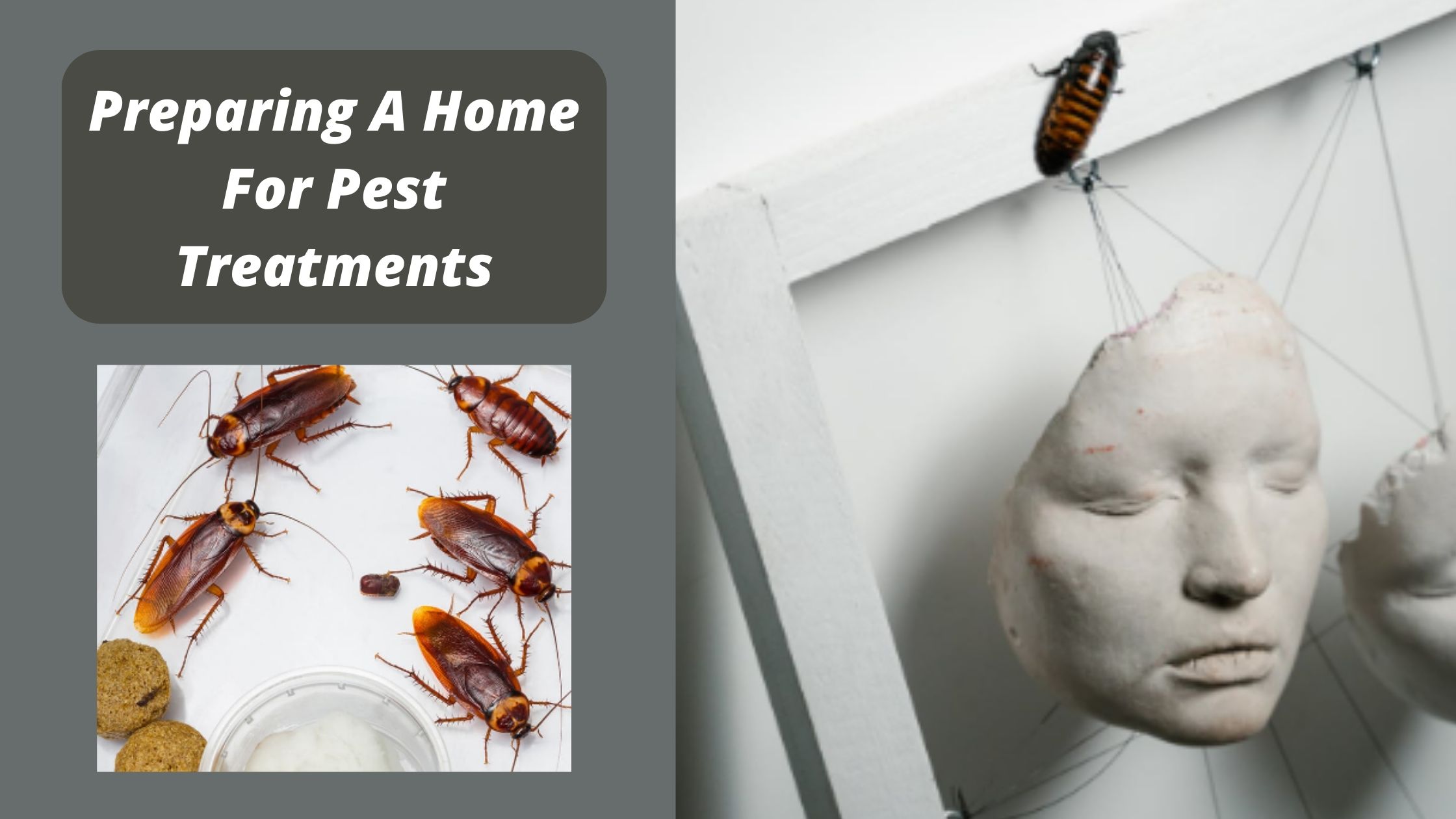
Preparing a home for pest treatments is an essential step before any technician arrives. Rats, fleas, cockroaches, and spiders—all insects and pests—can pose major problems for homes. They not only have the potential to harm your property and the environment in which you and your family members live, but they are also quite challenging to eradicate.
Therefore, taking the right steps to ensure a bed-bug-free apartment is a must. Hiring someone with a great understanding of handling situations like this is your only option when you find yourself in this predicament and cannot solve the issue at hand.
However, you must get your house ready for the pest control procedure to ensure you can safely go back to living in a bed-bug-free apartment.
Preparing A Home For Pest Treatments: Where to Start
Most firms will explain what you need to do to get your apartment ready, but just in case they don’t, here is a short guide to assist you in understanding
- Clear Some Room
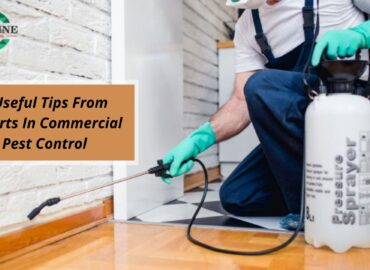
Making sure that the personnel spraying your home for pests have enough room to walk about is the first thing you’ll need to do. This is crucial since most professional services employ heavy machinery, and their large canisters are too heavy to handle. You don’t want to live in a bed bug apartment, so ensure they have easy access to every room.
- Clothing And Bedding
To ensure that all of the bugs are eliminated from the property, most pest control firms will spray the poison in every nook and cranny of your home. Therefore, the poison might get inside your wardrobe and onto the surface of your beds. To prevent rashes or any other health issues –
- Remove all bedding from each bedroom’s mattresses and box springs, including sheets, covers, and dust ruffles.
- All bed linens should be washed in the hottest water possible after the treatment or until the PCO instructs you to, don’t change the bed linens for at least four hours.
- Remove any personal belongings from the furniture and floors throughout the house, including clothing, toys, shoes, and stored goods.
- Use Plastic Containers To Store Food.
You must store every single piece of food inside a plastic container as another crucial step in ensuring the health of your family. By this, it means anything, including a piece of bread, meat, seeds, and even canned food. You can safely remove the food from the containers and set it anywhere you wish when the firm has finished the treatment and several days have passed. According to Canada.ca guidance on how to use pesticides safely, you should only allow people and pets back into treated areas once the product has fully dried.
Final Thoughts You can make sure that your family is safe and that the pest control business can effectively conduct its work by taking the steps we’ve just described. If you are looking for pest control services, Top Line Pest Control can help you by removing the pest effectively & efficiently. No matter how severe your insect problems may be, Top Line Pest Control is ready to respond appropriately to any damage produced by pests.
Preparing a home for pest treatments also means keeping pets and children away from treated surfaces until everything has dried completely, and letting your technician know about any fish tanks, birds, or other sensitive animals in the house beforehand. A little planning goes a long way toward preparing a home for pest treatments that are both safe and effective, so don’t hesitate to ask your provider questions if you are ever unsure about the process. Taking these extra precautions helps everyone in the household stay comfortable while the treatment does its work.
Preparing a home for pest treatments doesn’t need to take all day. Most homeowners find that spending thirty minutes on these tips before their appointment makes the entire visit faster, safer, and far more effective for everyone involved.
Inform Everyone in the Household
Before the technician arrives, let every member of the household know what to expect. Children and elderly family members in particular should understand which rooms will be treated and why certain items need to be moved or covered. Clear communication prevents accidents, like someone touching a treated surface too soon or wandering into a room mid-treatment.
If anyone in the home has asthma, allergies, or chemical sensitivities, mention this to your technician ahead of time so they can choose products and application methods that minimize any reaction. Taking a few extra minutes to loop in everyone at home is a simple part of preparing a home for pest treatments that often gets overlooked, but it makes the whole experience smoother for both your family and the professionals doing the work.
Plan for Pets and Plants
Pets and houseplants deserve just as much attention as the rest of your preparation checklist. Dogs, cats, birds, reptiles, and small mammals should be kept in a carrier or a separate part of the home that will not be treated, and ideally taken outside or to a friend’s house during the actual service. Fish tanks should be covered and their air pumps turned off temporarily if your technician recommends it, since airborne particles can settle on the water’s surface.
Houseplants near windows or doorways where products will be applied should be moved to another room or covered with a light sheet. None of these steps take very long, but they matter just as much as the rest of preparing a home for pest treatments, and skipping them is one of the most common mistakes homeowners make before a scheduled visit.
Finally, keep a copy of your pest control company’s contact information handy in case you have questions once the technician has left, and mark your calendar for any recommended follow-up visits. Consistent upkeep, rather than a single treatment, is usually what keeps a home pest-free for the long term, and staying organized from the very first appointment makes every future visit that much easier to prepare for. Stay safe. Your whole household will thank you for the extra care.