
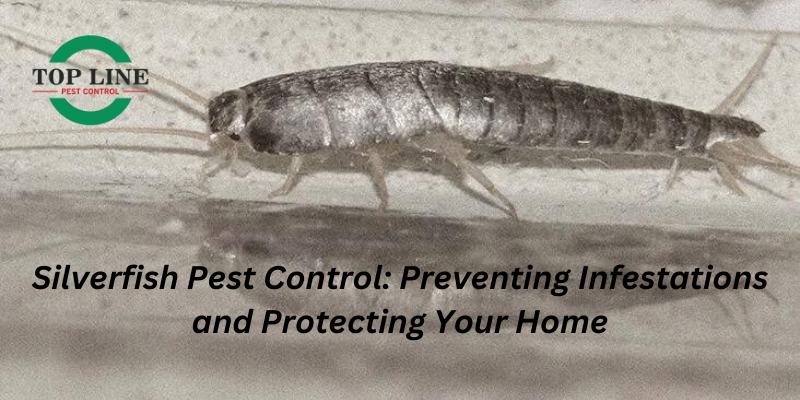
Silverfish are one of those pests that many homeowners notice but don’t take seriously until the damage becomes apparent. Fast-moving, moisture-loving, and nocturnal, silverfish are more destructive than they appear — and harder to eliminate than most people expect. Here’s everything you need to know about silverfish pest control.
What Are Silverfish?
Silverfish (Lepisma saccharina) are small, wingless insects 10–20mm long with a distinctive silvery, scaly appearance and a fish-like wriggling movement. They have three long tail filaments and two long antennae. They are fast runners and almost always encountered at night, typically in bathrooms, kitchens, and basements.
What Do Silverfish Damage?
Silverfish feed on carbohydrates and proteins found in a wide range of household materials. They are particularly damaging to:
- Books, magazines, and wallpaper (the starch in paper and glue)
- Clothing and upholstery containing natural fibres like cotton, linen, and silk
- Stored dry food including flour, oats, and cereals
- Photographs and important documents
- Wall plaster and paint containing starch
Signs of a Silverfish Infestation
- Irregular feeding damage on paper, fabric, or wallpaper — surface grazing that leaves a yellowish stain
- Small black pepper-like droppings on shelves, in drawers, or behind appliances
- Shed skins — silverfish moult throughout their lives, leaving behind translucent casings
- Seeing silverfish running across floors, walls, or ceilings at night when lights are turned on
Why Silverfish Are Hard to Eliminate
Silverfish are extremely long-lived for an insect — up to 8 years — and can survive for months without food. They hide in wall voids, under flooring, and deep in storage areas during the day, making them difficult to reach with surface treatments. They are also fast breeders in humid conditions, so addressing the moisture that sustains them is essential alongside any treatment.
How to Control Silverfish
Reduce humidity
Silverfish require high humidity to survive and breed. Use bathroom exhaust fans, fix leaking pipes, ventilate crawl spaces, and consider a dehumidifier in basements. Reducing humidity to below 50% makes your home significantly less hospitable to silverfish.
Remove food sources
Store books, documents, and photographs in sealed plastic containers. Keep dry food in airtight containers. Remove old cardboard boxes and paper clutter from storage areas.
Professional treatment
For established infestations, professional treatment using residual insecticide applied to wall voids, under flooring, and in storage areas is the most effective solution. Top Line Pest Control provides professional silverfish control across Surrey, Langley, Burnaby, Richmond, and the Lower Mainland. Call (604) 551-6504 or get a free quote today.
Wondering exactly how professionals tackle an infestation? See our guide on how exterminators get rid of silverfish.