
What attracts carpenter ants? Carpenter ants are attracted to damp or rotting wood they can easily hollow out for nests, and to food sources like sugary spills, pet food, grease and the honeydew made by aphids on nearby trees and shrubs. Water leaks, wood touching the soil, firewood stacked against the house and branches touching the roof all make your home an easy target.
Carpenter ants are one of the most serious structural pests Lower Mainland homeowners face. This guide explains what draws them in, how to tell if they are already inside, how to find where they are coming from, and how to get rid of them for good.
What Attracts Carpenter Ants to Your House?
Carpenter ants do not eat wood. They chew through it to build nests, and they go looking for food and water every night. These are the most common things that draw them to BC homes:
- Moisture-damaged wood: leaking roofs, gutters, plumbing, window frames and decks soften wood and make it easy to excavate. This is the number one attractant in our wet coastal climate.
- Sweet foods: sugar, syrup, juice spills, fruit and crumbs. Carpenter ants naturally feed on honeydew, so sweet foods are very appealing.
- Protein and grease: pet food, meat scraps, grease on stovetops and dead insects.
- Aphids on nearby plants: aphids produce honeydew, so ant trails often run from infested trees and shrubs straight to your house.
- Firewood, stumps and landscape timbers: wood stacked against walls or rotting near the foundation can house a parent colony.
- Branches and shrubs touching the house: these act as bridges onto the roof and siding.
- Gaps and wiring entry points: openings around pipes, cables, vents and utility lines give easy access indoors.
Are carpenter ants attracted to light?
Worker carpenter ants mostly forage at night and are not strongly drawn to light. Winged carpenter ants (swarmers), which appear mainly in spring, often gather near windows and lights. Winged ants indoors usually mean a nest is inside the structure.
Why Am I Seeing Carpenter Ants in My House?
A few large black ants in spring may be foragers coming in from outside. Seeing them regularly, especially at night, in winter, or with winged ants, usually means there is a satellite nest inside your walls connected to a parent colony outdoors. Carpenter ants in bed, on kitchen counters or in bathrooms are normally foraging for food and water near a hidden nest.
Signs of Carpenter Ants in Your Home
- Frass: fine sawdust-like debris mixed with insect parts near baseboards, window frames, attics or crawl spaces.
- Rustling sounds: yes, you can hear carpenter ants. A faint crinkling or rustling inside walls, especially at night, can be a large colony at work.
- Winged ants indoors: swarmers in late winter or spring are a strong sign of an indoor nest.
- Ant trails at night: large black or black-and-red ants moving along baseboards, pipes or wires after dark.
- Hollow or soft wood: wood that sounds hollow when tapped or has small slit-like openings.
- Carpenter ant eggs or larvae in the house: white eggs, larvae or cocoons mean an active nest is inside and needs professional treatment.
Where Carpenter Ants Nest
Carpenter ants in the basement
Basements and crawl spaces attract carpenter ants because of moisture around sill plates, rim joists, foundation cracks and plumbing. Look for frass and trails along the top of foundation walls.
Carpenter ants on window sills and in window frames
Condensation and leaks soften wood around windows. Ants on window sills, or frass under the frame, often mean a nest is inside the frame or the wall beside it.
Signs of carpenter ants in trees
Outdoors, parent colonies often live in trees, stumps and old logs. Watch for sawdust at the base of a tree, ants trailing up and down the trunk, holes in the bark and branches that sound hollow. A tree colony close to your home can feed nests inside it.
How to Find Where Carpenter Ants Are Coming From
- Check after dark with a flashlight. Carpenter ants are most active between sunset and midnight.
- Place a small dab of honey or jam where you see ants, then follow the workers as they carry food back to the nest.
- Look for frass piles and tap nearby wood to find hollow spots.
- Inspect moisture problem areas: around sinks, tubs, dishwashers, windows, skylights, roof leaks and decks.
- Go outside and follow trails along wires, fences, branches and foundations to find the parent colony in trees, stumps or firewood.
Carpenter ant colonies are often split into several nests, so finding all of them is the hardest part. If you cannot trace the trail, a professional inspection will save time and damage.
Do Carpenter Ants Damage Homes?
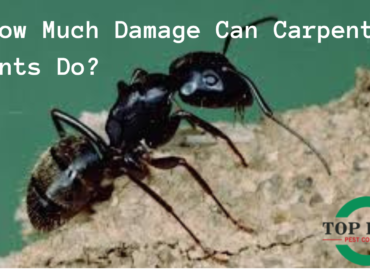
Yes. Carpenter ants can cause serious structural damage over time by hollowing out wall studs, joists, sill plates and roof timbers. Damage builds slowly over several years, which is why early treatment matters. Read our full guide: how much damage can carpenter ants do.
Why Surface Sprays Don’t Work for Carpenter Ants
Store-bought sprays kill the ants you can see, but most of the colony and the queen stay hidden inside walls or outdoor nests. Spraying can also make colonies split into new nests, spreading the problem.
Professional Carpenter Ant Treatment
Our technicians inspect inside and outside to find the parent and satellite nests, then treat the colony at the source using targeted baits, dusts in wall voids and exterior perimeter treatment. Most homes see a big drop in activity within one to two weeks, with a follow-up visit when needed. Learn more about our carpenter ant control service.
How to Stop Carpenter Ants Coming Back
- Fix leaks and replace water-damaged wood.
- Trim branches and shrubs so they do not touch the house.
- Store firewood off the ground and away from walls.
- Remove old stumps and rotting landscape timbers near the foundation.
- Seal gaps around pipes, wires and vents.
- Keep food sealed, wipe up sweet spills and do not leave pet food out overnight.
- Treat aphid problems on trees and shrubs near the house.
For more tips, see Health Canada’s pest control guidance.
Carpenter Ant FAQs
What causes carpenter ants in a house?
Most indoor infestations are caused by moisture-damaged wood combined with easy access from an outdoor colony, such as branches touching the roof or wood touching the soil.
Are ants attracted to wood?
Carpenter ants are attracted to soft, damp or decaying wood because it is easy to excavate for nests. They do not eat it.
Why do carpenter ants come in the house in spring?
Colonies become active as temperatures rise, workers search for food, and winged swarmers leave nests to start new colonies.
Can I get rid of carpenter ants myself?
Baits can help with small problems, but hidden nests in walls usually need professional treatment to remove the whole colony.
Carpenter Ant Control in Surrey, Langley and Abbotsford
Seeing carpenter ants in your home? Top Line Pest Control serves Surrey, Langley, Abbotsford and the Lower Mainland. Call 604-551-6504 or get a free quote today.